SVG Review: Practical Insights for Embroidery Projects
As a designer who has spent years translating digital concepts into threaded reality, I approach every new digital embroidery file with a mix of curiosity and caution. We have all been there: you find a graphic that looks stunning on screen, only to discover it turns into a tangled mess of thread breaks and puckering once it hits the hoop. Today, I am taking a close look at a specific SVG asset intended for t-shirt design and broader craft applications. My goal is not just to tell you what is in the folder, but to help you understand how this design will behave when you put it to work in your craft business or next embroidery project.
First Impressions: Visual Personality and Mood
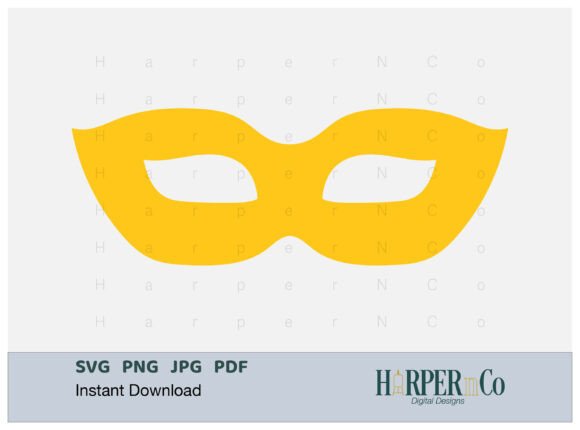
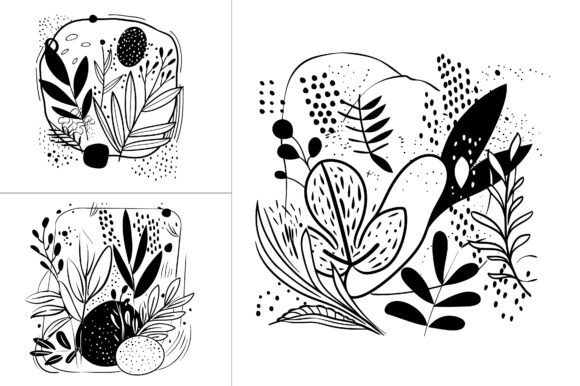
When I first opened the files included in this package, my immediate observation was regarding the clarity of the lines. The SVG Vector Graphic for T-Shirt Design presents a clean, modern aesthetic. It does not rely on overly complex shading or gradients, which is a relief for anyone working with thread. Thread is a physical medium; it cannot replicate the smooth tonal shifts of a printer. This design seems to understand that limitation. The shapes are bold enough to hold their own, suggesting a mood that is contemporary yet versatile.
The layout feels balanced, avoiding the common pitfall of having elements that are too close together. In embroidery, negative space is just as important as the stitched area. If elements are too cramped, the fabric between them can bunch up, ruining the finish. This SVG appears to respect that breathing room, making it a strong candidate for various design assets where professionalism is key. Whether you are aiming for a minimalist look or something more vibrant, the foundational structure here supports both interpretations depending on your choice of thread colors.
Real-World Application: From Screen to Stitch
Let us move beyond theory and talk about actual use cases. I recently considered a scenario involving a custom order for a local boutique: a set of personalized tote bags for a wedding party. This is where the versatility of this Graphics package shines. Because the file includes vector formats like EPS and SVG, along with raster images like PNG and JPG, you have flexibility in how you prepare the design for digitizing or direct printing.
For sweatshirt embroidery, the bold lines of this design would stand out beautifully against the textured surface of fleece or cotton blend fabrics. The visual weight of the design is substantial enough that it will not get lost in the nap of the fabric. Similarly, for baby embroidery projects, such as onesies or bibs, the simplicity of the shape means fewer stitch changes and a softer feel against sensitive skin. Complex, dense designs can feel stiff and scratchy, but a cleaner machine embroidery design like this tends to drape better.
If you are an Etsy seller looking to expand your small shop product line, this design could easily be adapted for holiday embroidery. With a simple change of palette—swapping standard tones for festive reds, greens, or golds—the same underlying shape can serve multiple seasonal campaigns. This adaptability is crucial for maintaining efficiency in a commercial embroidery workflow. You do not want to reinvent the wheel for every holiday; you want a reliable base that performs consistently.
Technical Considerations and Fabric Compatibility
While the design is promising, we must discuss where caution is needed. No design is universal, and understanding the limitations of your materials is part of being a professional. If you plan to use this on stretchy fabric like jersey knits for t-shirts, stabilization is non-negotiable. The vector nature of the source file allows you to scale it, but scaling down too much can cause issues. Tiny details may become indistinguishable when stitched with a satin stitch or fill stitch if the hoop size is small, such as a 4x4 inch hoop.
I recommend testing the design on scrap fabric before committing to a final finished product. Pay close attention to stitch density. If you are digitizing this yourself from the provided SVG or EPS files, ensure you are not packing too many stitches into a small area. High density on thin fabric leads to puckering, which kills the perceived value of a handmade product. For darker fabrics, consider using an underlay stitch effectively to prevent the fabric color from showing through the top threads, maintaining the crispness of the design.
Curved surfaces, such as caps or hats, present another challenge. The design’s geometry needs to be checked for distortion when applied to a curved plane. If the design has long, straight horizontal lines, they might appear to bow slightly on a cap. Adjusting the pull compensation during digitization can mitigate this. For embroidered patch creation, however, this design is likely ideal. Patches allow for heavier stabilizers and denser stitching, letting the bold lines of the SVG pop with high definition.
Enhancing Brand Value and Customer Trust
Why does the quality of your source file matter? It comes down to trust. When a customer receives a personalized gift or a piece of custom apparel, they are judging your craftsmanship. A clean, well-executed stitch-out signals professionalism. Conversely, a messy design suggests carelessness. Using a high-quality digital embroidery file as your foundation ensures that your starting point is solid. The inclusion of transparent PNGs in this package is particularly useful for creating printable mockup images for your online store. Being able to show customers exactly how the design will look on a tote bag design or apron before they buy increases conversion rates.
Furthermore, consistency in your craft business branding relies on using assets that are versatile. This SVG fits neatly into a modern aesthetic that appeals to a broad demographic. It does not scream "trendy" in a way that will date quickly, which protects your investment. Whether you are selling holiday gifts or everyday wear, the timeless quality of the shape helps maintain brand consistency across different product lines.
Practical Designer Notes for Best Results
To get the most out of this Crafts resource, keep these practical steps in mind:
- Test on Scrap Fabric: Always run a test stitch-out on the same type of fabric you intend to use for the final item. This reveals issues with tension and density early.
- Check Thread Contrast: View your design in black and white to ensure the shapes are distinct. If the design relies solely on color contrast, it may fail when stitched in monochrome or low-contrast threads.
- Verify Licensing: Before selling any finished product or using this in commercial embroidery, confirm the license terms provided with the download. Ensure you have the right to sell physical items made with this design.
- Inspect Small Details: If you scale the design down for baby clothes or small accessories, zoom in to check if any lines become too thin to stitch reliably. You may need to simplify certain elements.
- Use Proper Stabilizer: Match your stabilizer to your fabric. Cut-away stabilizers are generally better for knits and stretchy fabrics, while tear-away works well for stable woven cottons like those used in kitchen towel or apron projects.
In conclusion, this SVG package offers a solid foundation for a variety of embroidery applications. It is not just a graphic; it is a tool that, when used with technical knowledge and creative insight, can elevate your handmade product offerings. By respecting the material constraints of embroidery and leveraging the versatility of the included file formats, you can create items that are not only visually appealing but also durable and professional. Whether you are a hobbyist making gifts or a seasoned Etsy seller managing a high-volume shop, treating your digital assets with this level of scrutiny will always pay off in the quality of your final stitch-out.