Santa's Favorite Baker: A Designer's Review
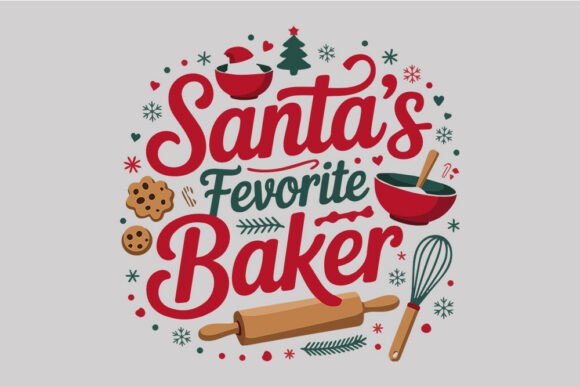
As a designer who spends more time staring at stitch maps than most people spend watching television, I approach every new machine embroidery design with a healthy dose of skepticism. We have all been there: you download a cute file, load it onto your machine, and halfway through the run, you realize the density is off or the details are too tiny for the chosen fabric. That is why I took a close look at Santa's Favorite Baker SVG-Christmas Bak before committing it to a client project. This isn't just about whether the image is cute; it is about whether it translates well from a digital embroidery file into a tangible, durable, and professional-looking finished product.
The Visual Personality and First Impressions
When I first pulled up the files included in the zip—specifically the SVG format, PNG format, EPS format, and DXF format—my immediate thought was about versatility. The description notes these are ready for major electronic cutting machines, which tells me the vector paths are likely clean. For an embroiderer, clean vectors mean we can easily manipulate the design in our digitizing software if we need to adjust column directions or pull compensation. The theme itself evokes a cozy, domestic holiday vibe. It feels less like a generic "Merry Christmas" shout and more like a warm invitation to the kitchen. This mood makes it perfect for holiday embroidery projects that aim for nostalgia rather than flashiness.
The layout appears balanced, which is crucial when you are working within the constraints of a hoop. In my experience, designs that feature baking themes often include elements like rolling pins, cookies, or aprons. If these elements are too spread out, you risk running into hoop limitations on smaller machines. However, the compact nature suggested by the title implies this could work beautifully as a central motif on a pocket or a standalone graphic on a tote.
Real-World Application: The Holiday Apron Project
To truly test the viability of Santa's Favorite Baker SVG-Christmas Bak, I imagined a specific real-life scenario: creating a set of custom aprons for a local bakery owner who wants holiday gifts for her staff. This is a common request for Etsy sellers and craft business owners during Q4. The goal is a handmade product that looks professional enough to be worn in front of customers but personal enough to feel like a gift.
In this context, the design shines. Placed on the chest pocket of a canvas apron, the graphic would serve as a charming identifier. Because aprons are typically made of medium-to-heavy weight cotton or twill, the fabric texture provides a stable base for stitching. I would anticipate using a satin stitch for any text elements to ensure readability and a fill stitch for the larger graphical components to give them body. The contrast between the thread and the fabric would be key here; a cream or gold thread on a deep red or forest green apron would elevate the perceived value of the item instantly.
Beyond aprons, this design fits naturally onto tote bag design projects. A heavy canvas tote with this embroidery makes for an excellent personalized gift for a hostess or a teacher. It also translates well to sweatshirt embroidery. Imagine a cozy, oversized crewneck with this design centered on the front. It creates a look that is festive without being costume-y, appealing to customers who want subtle holiday style.
Navigating Technical Challenges
However, no design is without its potential pitfalls, and a responsible reviewer must point them out. While Santa's Favorite Baker SVG-Christmas Bak is versatile, there are scenarios where caution is required. If you plan to use this on stretchy fabric like a thin jersey t-shirt, you must be vigilant about stabilization. Without a proper cut-away stabilizer, the weight of the stitches could cause the fabric to pucker or distort over time, especially after washing.
Another consideration is the level of detail. If the design includes tiny lettering or very fine lines (common in baking illustrations like whisk wires or cookie sprinkles), these might not hold up well on textured fabrics like terry cloth towels or looped knits. In those cases, the running stitch details might get lost. I always advise testing the design on a scrap piece of the actual fabric you intend to use. Check the stitch density; if it feels too stiff or board-like after stitching, you may need to reduce the density in your software or switch to a lighter weight thread.
Curved surfaces present another challenge. If you are attempting to put this on a cap, ensure the design fits within the curved hoop limits and that the columns of the stitches run in a direction that follows the curve of the hat. Fighting against the curve can lead to registration issues where the colors do not align perfectly.
Commercial Viability and Brand Consistency
For small shop product creators and digital embroidery file sellers, the commercial potential of this asset is significant. The "baker" theme taps into a evergreen niche. People love identifying with their hobbies, and baking is a massive one. Using this design in your commercial embroidery lineup can help diversify your holiday offerings beyond the standard snowflakes and trees.
From a branding perspective, consistency is key. If you are selling a line of kitchen textiles, ensuring that the thread colors you choose for this design match your broader palette is essential. Does it look good in black and white? I recommend creating a printable mockup in grayscale to check the contrast and shape integrity before you ever thread the needle. This step saves time and materials, ensuring that the embroidery project maintains high buyer engagement regardless of the colorway the customer selects.
Final Verdict and Best Practices
Ultimately, Santa's Favorite Baker SVG-Christmas Bak feels like a solid addition to a crafter's library, provided it is used with intention. It bridges the gap between Crafts and professional Graphics by offering a clean aesthetic that scales well. Before you start stitching, remember to confirm the licensing terms. Just because a file comes in multiple formats like DXF format or EPS format does not automatically grant unlimited commercial rights. Always verify if you can sell the finished product or if the license is for personal use only.
My advice is to treat this design as a foundation. Use it on sturdy fabrics like denim, canvas, or heavy cotton blends where the stitches can sit flat and proud. Avoid using it on sheer or slippery fabrics unless you are an advanced user comfortable with complex hooping techniques. By respecting the limitations of the medium and choosing the right application, this design can become a staple in your holiday collection, bringing joy to customers and reliability to your production schedule.