Reviewing the Mason Jar Svg Design for Embroidery
As a designer who has spent years digitizing patterns and testing files on actual machines, I approach every new Mason Jar Svg Design with a mix of curiosity and caution. We have all seen the rustic, farmhouse aesthetic saturate the market, but that does not mean the demand has disappeared. In fact, for Etsy sellers and boutique owners, the challenge is not finding a theme, but finding a design that stitches cleanly and looks professional on finished goods. I recently evaluated this specific graphic asset to see if it holds up under the needle, particularly for those of us running small craft businesses or creating personalized gifts.
First Impressions and Visual Personality
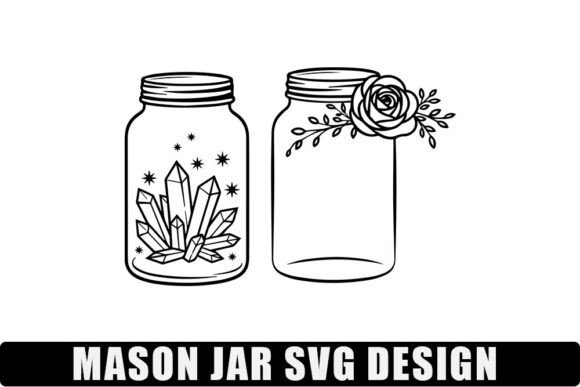
When I first opened the files, my immediate observation was regarding the line weight and simplicity. The Mason Jar Svg Design leans into a clean, iconic silhouette rather than getting lost in excessive detail. This is crucial for embroidery. Unlike printing, where you can reproduce infinite gradients and hairline fractures, embroidery relies on thread coverage and direction. A design that is too busy often turns into a muddy mess of tangled threads.
The mood here is unmistakably warm and domestic. It evokes feelings of preservation, home cooking, and slow living. For a handmade product, this emotional connection is half the battle. However, from a technical standpoint, the open spaces within the jar shape suggest versatility. It allows for creative interpretation, whether you choose to fill the jar with floral elements, text, or leave it as a simple outline. The inclusion of PNG, EPS, and DXF formats alongside the SVG indicates that the creator understands the diverse needs of modern makers, from digital crafters using cutting machines to those preparing files for digitization software.
Real-World Application: The Tote Bag Test
To truly judge a design, you must imagine it on a physical object. I visualized this Mason Jar Svg Design applied to a heavy canvas tote bag, a staple item for any small shop product. Canvas has a distinct weave, and lightweight designs can sometimes get lost or look flimsy against such a sturdy background.
In this scenario, the design’s bold outlines work in its favor. If I were digitizing this for a 5x7 hoop, I would likely use a satin stitch for the rim and lid to give it a shiny, finished look, contrasting with a lighter fill stitch or even a running stitch for the body of the jar. This combination adds texture and prevents the design from becoming too dense. For a tote bag design, durability is key. Customers will throw these bags in their cars and wash them. A design with balanced stitch density ensures that the threads do not pucker the fabric or break after repeated use.
I also considered its use on a kitchen towel. Here, the Graphics nature of the file shines. Since towels are often thin and textured, a simplified version of the jar—perhaps just the outline with a sprig of lavender inside—would look elegant and understated. It transforms a basic household item into a thoughtful personalized gift.
Navigating Fabric and Hoop Constraints
While the design is versatile, it is not without its limitations. Experienced embroiderers know that context changes everything. If you are planning to use this on a curved surface, like a baseball cap, you need to be careful. The width of the jar might exceed the usable area of a standard cap hoop, or the curvature could distort the straight lines of the jar, making it look bent.
Furthermore, consider the fabric type. On stretchy materials like jersey knits for t-shirts or baby clothes, stability is paramount. Without proper stabilizer, the weight of the thread can cause the fabric to gather around the design. For a baby embroidery project, such as a onesie, I would recommend scaling the design down significantly and using softer threads to maintain comfort. The sharp corners of the lid, if present in the specific variation you choose, need to be checked for potential needle breaks or thread bunching if scaled too small.
Dark fabrics present another challenge. If you are stitching a light-colored jar on a navy sweatshirt, you must ensure your underlay stitches are sufficient to prevent the dark fabric from showing through the top stitches. This is where reviewing the thread colors and planning your color stops becomes essential. A lack of contrast can make the design disappear, ruining the visual appeal of your custom apparel.
Commercial Viability and Brand Consistency
For commercial embroidery professionals and Etsy sellers, consistency is brand currency. When a customer buys a mug with a mason jar print and then orders an embroidered apron, they expect the imagery to align. This Mason Jar Svg Design offers a consistent visual language that can be adapted across various design assets.
Using this graphic as a base for an applique design is a smart move for higher-priced items. By cutting fabric shapes for the jar and stitching them down, you reduce stitch count and production time while adding a tactile, premium feel. This technique works beautifully for holiday embroidery projects, such as Christmas ornaments or festive pillow covers, where speed and visual impact are both important.
However, before listing any finished product for sale, you must verify the licensing terms. The product description mentions the file formats but does not explicitly detail commercial rights for the embroidered output. Always confirm whether the license allows for unlimited physical sales or if there are restrictions. Protecting your craft business means respecting intellectual property and ensuring you have the right to profit from your labor.
Practical Notes for the Designer
Before you commit to stitching this on a client’s expensive garment, follow these practical steps:
- Test on Scrap Fabric: Always run a test stitch-out on the same type of fabric you intend to use. This reveals issues with tension and density.
- Check Contrast: View the design in black and white. If the details vanish in grayscale, they will likely get lost in thread.
- Verify Hoop Size: Ensure the design fits comfortably within your hoop with adequate margin for framing.
- Inspect Small Details: Zoom in on the SVG and EPS files. Look for nodes that are too close together, which can cause machine errors.
- Mockup Variations: Create printable mockup images showing the design on different backgrounds to gauge customer interest before producing inventory.
In conclusion, this Mason Jar Svg Design is a solid addition to your library of Crafts resources. It balances aesthetic charm with technical feasibility, provided you respect the constraints of the medium. Whether you are creating a rustic wedding gift or stocking your online store with embroidered patch options, this design offers a reliable foundation. Just remember that the file is only the starting point; your choice of thread, fabric, and technique will ultimately determine the success of your embroidery project.