Reviewing the Camel SVG, PNG, and DXF for Embroidery
As a designer who spends more time staring at stitch simulations than I do sleeping, I have learned that not every digital file translates well to thread. We live in an era where Crafts and Graphics intersect constantly, but the gap between a crisp vector line on a screen and a textured, stitched reality is wide. Recently, I downloaded the Camel Svg File, Camel Png, Camel Dxf package to evaluate its potential for real-world application. My goal was not just to see if it looked cute, but to determine if it holds up under the needle of a commercial embroidery machine and whether it offers genuine value to small business owners and hobbyists alike.
First Impressions: Silhouette and Simplicity
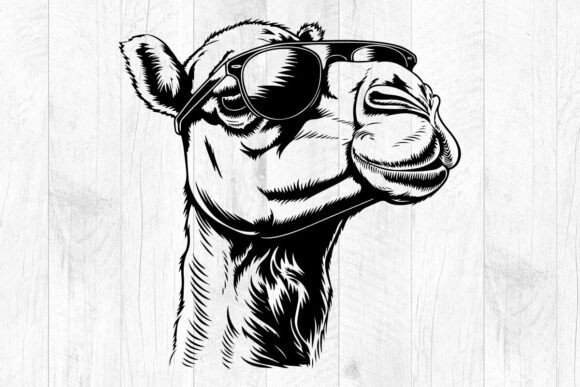
When I first opened the files, my immediate observation was the reliance on clean, bold lines. The design avoids excessive internal detailing, which is often a trap for beginner embroidery files. Complex shading or tiny text rarely survives the translation from digital design assets to physical thread. This camel design, however, leans into a minimalist aesthetic. It feels modern and versatile, suitable for a variety of moods ranging from whimsical nursery decor to rugged outdoor apparel.
The shape itself is balanced. In embroidery, balance is critical because uneven weight distribution can cause puckering, especially on lighter fabrics. The profile of the camel provides a solid foundation for fill stitch work, while the legs and neck offer opportunities for precise satin stitch borders if the creator chooses to outline the shape. For those using this as a applique design, the smooth curves are ideal for cutting fabric cleanly without jagged edges that fray easily.
Real-World Application: The Tote Bag Test
To truly test the Camel Svg File, Camel Png, Camel Dxf, I decided to simulate a common project for Etsy sellers: a custom canvas tote bag. Canvas is a forgiving fabric, but it has a distinct texture that can swallow fine details. I imagined placing this design on the front panel of a natural-colored cotton tote.
In this scenario, the design’s simplicity works in its favor. A highly detailed camel with individual hairs would likely look muddy on canvas. This graphic style, however, pops. I visualized using earthy thread colors—tan, burnt orange, and deep brown—to mimic the animal’s natural coat. The result would be a sophisticated handmade product that appeals to customers looking for subtle, nature-inspired accessories rather than loud, cartoonish graphics. This makes it an excellent candidate for boutique branding or farmers' market merchandise.
Versatility Across Products
Beyond tote bags, this file set shows promise for several other categories. For sweatshirt embroidery, the design can be scaled up significantly without losing integrity. On a heather grey hoodie, a large-scale camel silhouette creates a striking focal point. Conversely, for baby embroidery, such as a onesie or burp cloth, the design can be minimized. However, caution is needed here. When shrinking any machine embroidery design, one must ensure that the stitch density does not become too high, which can make the fabric stiff and uncomfortable against sensitive skin.
The inclusion of PNG and DXF formats expands the utility beyond embroidery. Crafters can use the PNG for sublimation on tumblers or the DXF for vinyl cutting on stickers. This multi-format approach is essential for modern craft business owners who often cross-sell products. A customer might buy the embroidered patch for their jacket and the matching sticker for their water bottle, creating a cohesive brand experience.
Technical Considerations and Potential Pitfalls
While the design is strong, there are areas where careful execution is required. As an experienced reviewer, I must highlight where things can go wrong. First, consider the hoop size. If you are working with a small 4x4 hoop, you may need to crop or simplify the design further. Always check the dimensions provided in the ZIP file to ensure it fits your specific machine’s capabilities.
Second, think about fabric texture and stability. On stretchy fabrics like jersey knits used for t-shirts, a dense fill stitch can cause distortion. Using a proper stabilizer is non-negotiable. I recommend a cut-away stabilizer for garments that will be washed frequently, as it provides long-term support. For woven fabrics like linen or cotton, a tear-away might suffice, but testing is key.
Another critical factor is thread color contrast. Because the design relies on shape rather than intricate internal detail, the choice of thread color defines the visibility. On dark fabrics, using a light thread for a satin stitch border can help the design stand out. On light fabrics, a darker thread provides definition. I always advise running a test stitch-out on scrap fabric of the same type and color as your final project. This simple step saves hours of frustration and prevents ruined garments.
Commercial Viability and Brand Consistency
For Etsy sellers and commercial embroiderers, the licensing terms are paramount. Before selling any finished product made with the Camel Svg File, Camel Png, Camel Dxf, you must verify the license included in the download. Most designers allow commercial use for physical items but restrict the resale of the digital file itself. Understanding these boundaries protects your business and respects the original creator’s intellectual property.
From a marketing perspective, this design fits well into current trends. Desert themes, safari motifs, and minimalist animal art are perennial favorites. By using this design in your printable mockup previews, you can showcase its versatility. Show the camel on a cap, a pillow cover, and a kitchen towel. This helps customers visualize the product in their own homes, increasing buyer engagement and trust.
Final Verdict for Designers and Makers
The Camel Svg File, Camel Png, Camel Dxf is a robust addition to any digital library. It is not overly complex, which makes it accessible for beginners, yet it is stylish enough for professional portfolios. Its strength lies in its adaptability. Whether you are creating a personalized gift for a friend who loves travel or stocking your small shop product line with seasonal items, this design delivers.
Remember, the quality of the final output depends heavily on your machine settings, thread quality, and fabric choice. Do not skip the test stitch. Check your stitch density adjustments if your machine allows it. And always consider the end-user experience. A soft, well-stitched camel on a baby blanket brings joy; a stiff, puckered one does not. With careful attention to detail, this graphic can elevate your embroidery project from a simple craft to a cherished keepsake.
In conclusion, this file set offers practical value for both personal and commercial use. It bridges the gap between digital convenience and tactile beauty, provided the maker approaches it with the right technical knowledge and creative vision. For those looking to expand their catalog with reliable, trendy, and versatile designs, this camel motif is worth considering.