Review: Camping Outdoors SVG Sublimation for Embroidery
As a designer who spends more time staring at stitch simulations than actual fabric, I have learned to be skeptical of digital assets that promise versatility. The market is flooded with generic outdoor-themed graphics, but finding a Camping Outdoors SVG Sublimation file that translates well from screen to needle is a different challenge entirely. Recently, I acquired this specific design bundle to test its viability for a client’s boutique line of rustic home goods and custom apparel. What follows is my honest assessment of how this asset performs in real-world embroidery scenarios, moving beyond the marketing copy to the practical realities of stitching.
First Impressions: Visual Personality and Layout
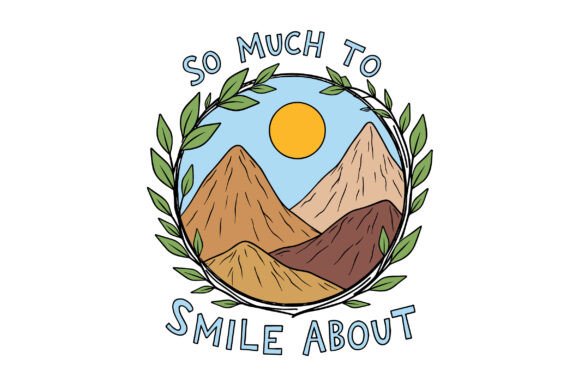
When I first opened the files, my immediate concern was complexity. Outdoor designs often suffer from excessive detail—tiny leaves, intricate tent poles, or thin tree branches that simply cannot hold a stitch. However, this Camping Outdoors SVG Sublimation design relies on bold, recognizable shapes. The mood it creates is nostalgic and serene, evoking the quiet of a forest morning rather than the chaos of an adventure sport. This visual personality is crucial because it dictates where the design belongs. It feels natural on a canvas tote bag or a heavyweight cotton sweatshirt, items that benefit from a relaxed, handmade aesthetic.
The fact that the design is constructed from 100 vector shapes is a significant technical advantage. For those of us who digitize our own patterns or tweak existing ones, having clean vectors means we can easily adjust the scale without losing edge definition. In the context of Crafts and Graphics, this scalability is non-negotiable. I was able to resize the motif for a small chest logo on a cap and then expand it for a full-back print on a hoodie without any pixelation or jagged edges in the preview.
Real-World Application: From Digital File to Stitched Product
To truly evaluate the Camping Outdoors SVG Sublimation asset, I moved it out of the digital realm and into a production workflow. My test case was a set of personalized canvas tote bags for a local glamping retreat. These bags needed to look professional yet rugged, capable of carrying gear while serving as a memorable keepsake.
I imported the SVG file into my embroidery software to convert it into a machine-readable format. Because the original artwork uses solid shapes, the conversion process was straightforward. I opted for a combination of satin stitches for the text elements and fill stitches for the larger graphic components, such as the trees and tent structures. The result was surprisingly clean. The design did not require excessive underlay, which kept the fabric from puckering—a common issue with dense outdoor scenes.
This versatility makes it an excellent choice for various embroidery projects. For custom apparel, such as a flannel shirt or a denim jacket, the design holds up well against textured fabrics. For baby embroidery items like onesies or burp cloths, I would recommend simplifying the color palette to pastels and reducing the stitch density to keep the garment soft against sensitive skin. The design’s inherent simplicity allows it to adapt to these different contexts without losing its core identity.
Navigating Technical Constraints and Fabric Choices
While the design is robust, it is not without its limitations. Embroidery designers must be mindful of where they place this graphic. For instance, using this design on a curved surface like a baseball cap requires careful hooping and stabilization. The wider elements of the camping scene might distort if the cap’s front panel is not properly supported with a stiff stabilizer. I always advise testing on scrap fabric first, especially when working with stretchy materials like jersey knits for t-shirts.
Another critical consideration is fabric texture. On high-pile fleece or thick towels, fine details can get lost. If you are creating a tote bag design or a kitchen towel, ensure that the thread colors contrast sharply with the background fabric. I found that using a darker thread on a light canvas worked beautifully, but attempting a subtle tone-on-tone effect on a textured linen made the design appear muddy. Additionally, if you are producing an embroidered patch, you must account for the merrowed border, which will eat into the outer edges of the design. Always leave a safe margin around the vector shapes.
For those interested in sublimation, the PNG and SVG files provided allow for vibrant, full-color prints on polyester blends. However, remember that sublimation and embroidery are distinct processes. If you are combining both techniques—for example, a sublimated background with an embroidered foreground—ensure the embroidery does not pierce through critical parts of the printed image. This Camping Outdoors SVG Sublimation bundle provides the necessary formats for both, but they should be treated as separate layers in your production planning.
Commercial Viability and Brand Consistency
For Etsy sellers and small shop owners, the visual appeal of a product directly influences buyer engagement. This design exudes a sense of craftsmanship that builds customer trust. It does not look like a clip-art afterthought; it looks intentional. When used in commercial embroidery projects, such as branded merchandise for outdoor retailers or corporate gifts for team-building retreats, the design maintains a level of professionalism that cheap, overly complex graphics often lack.
The ease of changing colors, as noted in the file description, is a major selling point for personalized gifts. You can quickly adapt the design for different seasons—earth tones for autumn, greens for spring, or cool blues for winter holidays. This flexibility allows craft business owners to refresh their inventory without purchasing new assets constantly. It supports brand consistency by allowing you to match the thread colors to your specific brand palette, ensuring that every finished product aligns with your visual identity.
Practical Notes for the Embroidery Designer
Before you commit to a large production run, here are my essential recommendations for working with this asset:
- Check the License: Always confirm the licensing terms before selling finished items. While the file is marketed for commercial use, ensure there are no restrictions on the number of physical products you can create.
- Test Stitch Density: Since the file is vector-based, your embroidery software will determine the stitch count. Run a test stitch-out on your actual fabric to check for density issues. Too many stitches can cause perforation in lightweight fabrics.
- Color Contrast: Use black and white mockups to verify that the design’s shapes are distinct. If the elements blend together in grayscale, they will likely blend together in thread as well.
- Hoop Size Selection: Choose a hoop size that accommodates the design with ample room for stabilization. Do not crowd the edges.
- Thread Quality: Invest in high-quality rayon or polyester threads. The clean lines of this design will highlight any thread breaks or tension issues.
In conclusion, the Camping Outdoors SVG Sublimation design is a versatile and reliable asset for designers who understand the nuances of textile production. It bridges the gap between digital graphics and tactile embroidery, offering a clean, adaptable motif that enhances the value of handmade products. Whether you are creating a sweatshirt embroidery piece for a local boutique or a holiday embroidery gift for family, this design provides a solid foundation for high-quality results. Just remember to respect the material constraints, test thoroughly, and let the simplicity of the design speak for itself.