Little Miss Hoppy SVG: A Designer’s Embroidery Review
As a designer who spends more time staring at stitch simulations than I do sleeping, I have learned to be skeptical of cute graphics. We all know the drill: a design looks adorable on a screen, but once it hits the fabric, the details vanish, the threads bunch up, or the scale feels entirely wrong for the intended product. That is why I approach every new asset with a critical eye, looking past the marketing gloss to see how it will actually perform in a real-world embroidery project. Recently, I pulled the Little Miss Hoppy SVG Cut File into my workflow to evaluate its potential for both digital cutting and machine embroidery adaptation.
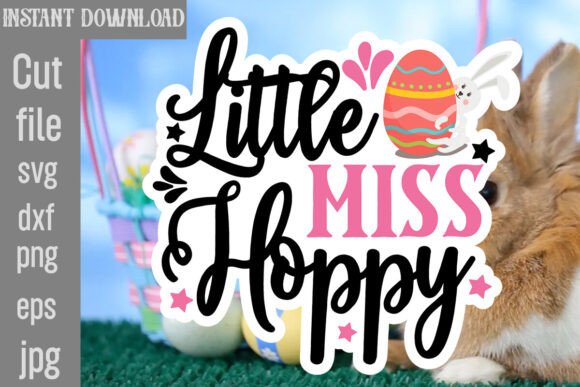
My first impression was one of balanced simplicity. The design carries a playful, whimsical mood that immediately suggests springtime, Easter, or general nursery themes. Visually, the layout is clean, avoiding the clutter that often plagues seasonal graphics. For those of us working in Crafts and Graphics, this clarity is crucial. It means the silhouette is strong enough to stand alone without excessive internal detailing that might get lost in translation. However, since this is primarily marketed as a cut file package, my review focuses on how these vector assets translate when we, as embroiderers, adapt them for stitched applications.
Real-World Application: The Custom Tote Test
To truly understand the value of this asset, I imagined a specific client request: a set of personalized canvas tote bags for a local boutique’s spring collection. The goal was a minimal, chic look that appealed to young mothers. Using the Little Miss Hoppy SVG Cut File as a base, I imported the SVG into my embroidery software to trace and convert it into a stitch file. This is a common workflow for many Etsy sellers and small shop product creators who buy vector bundles to create unique embroidered goods.
The shape held up remarkably well during the digitizing process. Because the original vector paths are smooth, the resulting running stitch outlines were clean and required minimal node editing. When I simulated the stitch-out on a medium-weight cotton canvas, the design retained its charm. It didn’t look like a bulky patch; instead, it felt like an integrated part of the tote bag design. This is where the quality of the source digital embroidery file or vector matters. Clean lines in the SVG mean less headache when defining stitch paths, leading to a more professional finished product.
Versatility Across Apparel and Home Decor
Beyond totes, I evaluated how this graphic would perform on various textiles. For sweatshirt embroidery, the design’s open nature works in your favor. Heavy fleece can swallow dense designs, but a simpler motif like this allows the texture of the fabric to breathe. I would recommend using a slightly heavier weight thread to ensure visibility against the fuzzy surface of a hoodie. Conversely, for baby embroidery on soft knits, the design’s gentle curves are perfect. There are no sharp, aggressive angles that might pucker delicate fabric, making it an ideal candidate for onesies or burp cloths.
I also considered its use in holiday embroidery projects. While clearly bunny-themed, the lack of explicit text makes it versatile. It can serve as a standalone motif for Easter baskets or be combined with initials for a personalized gift. If you are creating an embroidered patch, this design scales down nicely. The key here is monitoring your stitch density. When shrinking any design for patches or hat fronts, you must reduce the density to prevent the fabric from gathering. The Little Miss Hoppy SVG Cut File provides a solid foundation for this because the core shapes are distinct and recognizable even at smaller sizes.
Navigating Technical Challenges
However, no design is without its pitfalls. If you plan to use this on dark fabrics, you need to be strategic about your thread colors. A white or pastel bunny on black denim requires high contrast to pop. I always advise running a test on scrap fabric first. Check how the light hits the stitches; sometimes, a satin stitch border can create unwanted glare if the thread sheen is too high. For a more subdued, vintage look, consider using matte threads or adjusting the stitch angle to break up the light reflection.
Another consideration is the hoop size. While the design itself is compact, you need enough margin for proper hooping, especially if you are using a stabilizer that requires trimming close to the edge. For curved surfaces like caps, the placement is critical. The center of the design should align with the cap’s seam to avoid distortion. Since this is a vector-based asset, you have the flexibility to resize it perfectly for a 4x4 hoop or a larger 5x7 frame, but always preview the stitch count simulation before committing to the final garment.
Commercial Value and Brand Consistency
For commercial embroidery professionals and craft business owners, consistency is currency. Using a high-quality source file like the Little Miss Hoppy SVG Cut File ensures that every unit you produce looks identical. This builds customer trust. When a buyer receives a handmade product that looks polished and precise, they are more likely to leave a positive review and return for future purchases. The included PNG file with a transparent background is particularly useful for creating printable mockup images for your online store. You can overlay the design on product photos to show customers exactly what the final item will look like, enhancing buyer engagement.
It is important to note that this package includes SVG, DXF, EPS, and PNG files. It does not include a native embroidery file format like PES or DST. Therefore, you will need to digitize it yourself or hire a digitizer. This is actually a benefit for experienced designers, as it allows you to control the stitch types—choosing between fill stitch for the body or applique design techniques if you want to add fabric layers. Always confirm licensing terms before selling finished items. Most designers allow commercial use of finished physical products, but reselling the digital file itself is typically prohibited.
Final Verdict for Makers
In conclusion, the Little Miss Hoppy SVG Cut File is a robust asset for your creative toolkit. It bridges the gap between digital crafting and textile art effectively. Whether you are an apparel decorator looking for fresh spring motifs or a digital product seller creating hybrid craft kits, this design offers the flexibility and clarity needed for professional results. Just remember to respect the material limitations of your chosen fabric, test your tension settings, and let the simplicity of the design shine. With the right technical approach, this little bunny can hop straight into your best-selling lineup.