I Survived AP Seminar PNG SVG: A Designer's Review
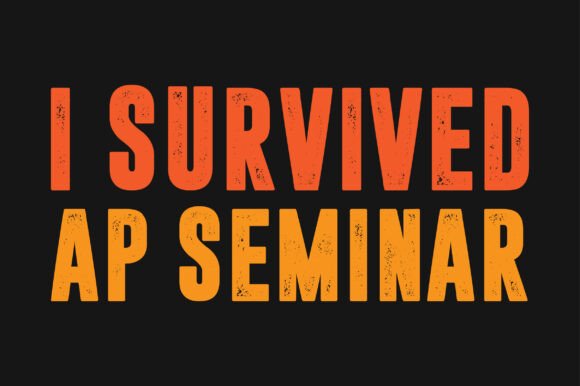
As someone who spends more time staring at stitch previews than most people spend on their phones, I approach new design assets with a healthy mix of curiosity and skepticism. When I first opened the I Survived AP Seminar PNG SVG file, my immediate reaction wasn't just about the typography or the layout; it was about potential. In the world of Crafts and Graphics, we see thousands of "survived" themed designs every year. However, this specific vector set stands out because of its clean geometry and the promise of adaptability. The description notes that it is made with 100 vector shapes, which immediately tells me that the paths are likely well-constructed, a crucial factor when converting these digital embroidery files into actual thread.
First Impressions and Visual Personality
The mood of this design is triumphant yet understated. It captures that specific feeling of relief and pride that comes after finishing a rigorous academic course like AP Seminar. For an Etsy seller or a small shop product creator, this emotional resonance is gold. The layout appears balanced, avoiding the cluttered look that often plagues text-heavy designs. Because the file allows for easy color changes, the visual personality can shift from a bold, collegiate aesthetic to something softer and more whimsical depending on the thread palette chosen. This flexibility is essential for a handmade product line that needs to appeal to diverse customers, from high school seniors to proud parents.
Real-World Application: The Custom Tote Scenario
To truly evaluate the I Survived AP Seminar PNG SVG, I imagined a real-life scenario: a custom order for a graduating senior who wants a sturdy canvas tote bag design to carry her college acceptance letters. In this context, the design needs to hold up against the texture of heavy cotton without getting lost. If I were digitizing this from the provided SVG for a machine embroidery design, I would lean towards a combination of fill stitch for the larger graphical elements and a crisp satin stitch for the lettering. The vector nature of the source file suggests that scaling the design to fit a standard 5x7 hoop should result in clean lines, provided the digitizer respects the original proportions. The end result would be a finished product that looks professional enough for a boutique but personal enough for a personalized gift.
Performance Across Different Fabrics
One of the biggest challenges in commercial embroidery is consistency across different materials. How does this design perform on a thick fleece sweatshirt embroidery project versus a delicate baby onesie? The simplicity of the shapes in the I Survived AP Seminar PNG SVG works in its favor here. Complex, tiny details often disappear into the pile of a sweatshirt, but a design built on solid vector shapes tends to translate well. For baby embroidery, however, caution is key. You would need to ensure that the stitch density isn't too high, which could make the fabric stiff and uncomfortable against sensitive skin. Reducing the density and perhaps using a lighter weight stabilizer would be my go-to strategy for smaller garments.
When considering custom apparel like caps or curved surfaces, the layout becomes critical. Text that is too long or arched incorrectly can distort on a baseball cap. Since this design is vector-based, it offers the freedom to adjust the curvature before digitizing, ensuring the text remains legible on rounded forms. For flat items like tea towels or pillow covers, the design's clarity shines, offering a sharp contrast that enhances the visual appeal of the home decor item.
Technical Considerations and Potential Pitfalls
While the source file is robust, there are areas where a designer must exercise caution. If you are working with textured fabrics or dark materials, the choice of thread colors becomes paramount. A light-colored design on a black hoodie requires excellent coverage, possibly necessitating an underlay strategy that prevents the fabric from peeking through. Additionally, if the design includes any fine lines or small corners, these are vulnerable points during washing. I always advise testing the design on scrap fabric first, especially if you plan to sell these as holiday embroidery gifts that will be worn and washed frequently.
Another point of attention is the transition from screen to stitch. What looks perfect as a printable mockup might behave differently when thousands of stitches are pulled tight. Tiny lettering can easily become illegible if the hoop size is too small or if the thread thickness overwhelms the character shapes. Before committing to a production run for a craft business, it is wise to inspect small details closely. Does the spacing between letters allow for the natural spread of the thread? Is there enough room for a proper running stitch outline if needed for definition?
Enhancing Brand Value and Customer Trust
Using a high-quality base file like the I Survived AP Seminar PNG SVG directly impacts your brand consistency. Customers associate clean, well-executed embroidery with professionalism. A sloppy stitch job on a great design can ruin customer trust, but a thoughtful execution elevates the perceived value of the item. Whether you are creating an embroidered patch for a school club or a series of shirts for a study group, the quality of the underlying graphic sets the ceiling for your final output. This design, with its clear structure, supports a high level of craftsmanship, making it an excellent choice for building a reputation as a reliable creative entrepreneur.
Final Verdict for Designers and Makers
In conclusion, the I Survived AP Seminar PNG SVG is a versatile asset that bridges the gap between digital convenience and tactile artistry. It is not just a file; it is a foundation for countless embroidery projects. From boutique branding to last-minute wedding gifts for teachers, the applications are vast. However, remember that the SVG is just the starting point. Success lies in how you adapt it. Check the licensing terms carefully before selling digital products or finished goods, as the rules for design assets can vary. Always verify the specific file formats included beyond the SVG and PNG to ensure compatibility with your workflow. By respecting the material limitations and applying sound digitizing principles, this design can become a staple in your portfolio, delivering joy to students and satisfaction to makers alike.