Family Reunion SVG Design: A Designer’s Practical Review
As a designer who has spent countless hours digitizing patterns and troubleshooting machine errors, I approach every new machine embroidery design with a mix of curiosity and caution. We have all been there: you download a file that looks stunning on the screen, only to find it puckers the fabric or loses its charm once the needle hits the cloth. Recently, I evaluated the Family Reunion SVG Design to see if it holds up under the scrutiny of real-world production. This is not just about aesthetics; it is about functionality, stitch quality, and how well this asset serves crafters, Etsy sellers, and boutique owners.
First Impressions: Mood and Visual Personality
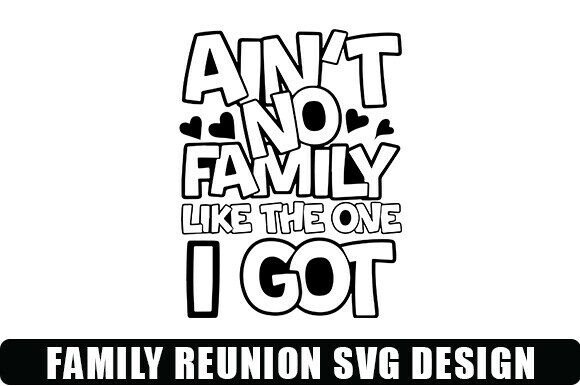
The first thing that strikes me about the Family Reunion SVG Design is its warm, inclusive mood. It does not scream for attention with chaotic details; instead, it offers a balanced layout that feels celebratory yet grounded. For those of us in the Crafts industry, we know that theme consistency is vital. This design captures the essence of gathering, heritage, and connection without relying on clichéd or overly complex imagery.
Visually, the lines are clean, which is a promising sign for embroidery. Complex, jagged vectors often translate poorly into stitches, causing thread breaks or messy backs. The shapes here appear deliberate, suggesting that the transition from a digital Graphics file to an embroidery file should be smooth. The visual personality is versatile enough to work for a rustic outdoor gathering or a polished indoor banquet, making it a flexible addition to any designer’s library.
Real-World Application: From Screen to Stitch
To truly test the viability of this design, I imagined a specific client project: a custom order for a large family hosting their annual reunion. They wanted matching custom apparel for the grandparents, parents, and cousins. I visualized placing the Family Reunion SVG Design on the left chest of high-quality cotton sweatshirts and on the front panel of canvas tote bags.
On a sweatshirt, the design’s structure allows for clear definition. If the design utilizes fill stitch areas, they need to be dense enough to cover the fleece texture but not so dense that they create a cardboard-like stiffness. For a tote bag design, the durability is key. Canvas can handle heavier stitching, so if this design leans into bolder lines, it will stand out beautifully against the textured weave. I also considered using it as an embroidered patch for caps. Patches require tight, saturated stitching to prevent fraying edges, and the contained nature of this design suggests it would hoop well in a standard 4x4 or 5x7 frame, depending on the final scaled size.
Navigating Fabric and Hoop Constraints
While the design is strong, practical experience dictates we must consider where it might struggle. Embroidery is not one-size-fits-all. If you are planning to use the Family Reunion SVG Design on stretchy fabric like jersey knits for t-shirts, you must be mindful of stitch density. Too much saturation on a knit will cause the garment to pucker and warp after washing. In such cases, using a cut-away stabilizer is non-negotiable.
Another critical consideration is hoop size. Since the product description notes the inclusion of SVG, PNG, EPS, and DXF formats, you have the flexibility to resize the graphic before digitizing or converting it for your machine. However, if you shrink it too much for a small pocket hoop, fine details may merge. Tiny lettering or intricate corners can become lost in the thread buildup. I always recommend testing the design on scrap fabric of the same type you intend to use for the final product. This simple step saves hours of frustration and prevents wasted materials.
Dark fabrics present another challenge. If you are stitching on navy or black, ensure your thread colors have high contrast. A low-contrast palette might look sophisticated in a vector preview but can appear muddy when stitched. Conversely, on light fabrics, ensure that any underlay stitches are properly managed so they do not show through the top stitching.
Commercial Value and Brand Consistency
For Etsy sellers and small shop owners, the commercial viability of a design is paramount. The Family Reunion SVG Design fits squarely into the niche of personalized, sentimental goods. These items often command a higher price point because they serve as personalized gifts and keepsakes. When a customer receives a finished product that looks professional and thoughtful, it builds trust in your brand.
Using this design in your craft business can enhance your portfolio’s cohesion. It signals that you understand current trends in family-oriented decor and apparel. Whether you are creating holiday embroidery pieces for Christmas gatherings or summer reunion shirts, the design’s adaptability allows you to market it across seasons. Furthermore, having access to multiple file formats means you can create high-resolution printable mockup images for your online listings. A crisp PNG or EPS file allows you to showcase the design on various products digitally before you even stitch a single thread, helping to boost buyer engagement.
Technical Notes for the Serious Maker
Before you commit to a large production run, here are my practical recommendations for working with this asset:
- Check Your Formats: You will receive a zip file with SVG, PNG, EPS, and DXF files. Note that these are primarily vector and image formats. If you are using an embroidery machine, you will likely need to convert these into a machine-specific format (like PES, DST, or JEF) using your digitizing software, unless you are applying them via heat transfer or sublimation. Always confirm the intended use case for each file type.
- Test Stitch Density: If you digitize this yourself from the SVG, pay close attention to the satin stitch width. Wide satin stitches can snag easily. Consider breaking wide columns into smaller runs or using a fill stitch for larger areas.
- Stabilizer Selection: Match your stabilizer to your fabric. Use tear-away for stable woven cottons and cut-away for knits and stretchy materials. For caps and curved surfaces, a stiff backing is essential to maintain shape.
- Color Planning: Create a color map before stitching. Limit your thread colors to reduce machine stops and thread changes, which speeds up production time for commercial embroidery orders.
- Licensing Verification: Always review the license terms provided by the creator. Ensure you are compliant whether you are selling physical handmade products or using the design for design assets in digital prints.
Final Verdict
The Family Reunion SVG Design is a solid choice for designers looking to expand their repertoire of meaningful, community-focused graphics. It bridges the gap between digital Graphics and tactile Crafts with ease. While it requires the usual due diligence regarding fabric choice and stabilization, its clean lines and thematic resonance make it a reliable tool for creating memorable baby embroidery items, aprons, pillow covers, and more. By approaching this design with a tester’s mindset and a focus on quality execution, you can transform a simple file into a cherished heirloom for your customers.