Elephant SVG Design: A Designer's Field Test for Embroidery
When I first pulled the Elephant SVG Design from my digital library, I wasn't looking for a quick fix; I was scouting for a reliable asset to anchor a new collection of nursery decor and boutique baby gifts. In the world of crafts and graphics, it is easy to get lost in flashy previews that fall apart the moment the needle hits the fabric. My job as a designer is to bridge the gap between a crisp vector on a screen and a tactile, durable finished product. This review breaks down how this specific design holds up when moved from a computer file to a real-world embroidery project.
First Impressions: Shape, Mood, and Visual Personality
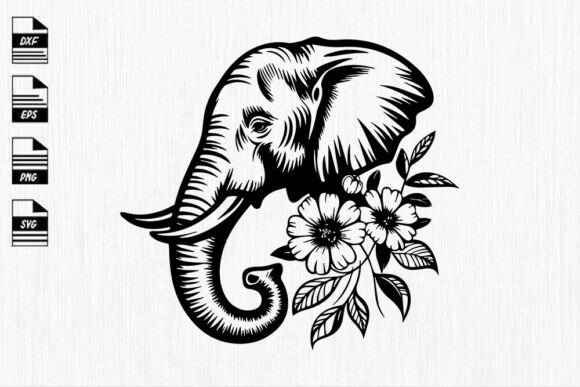
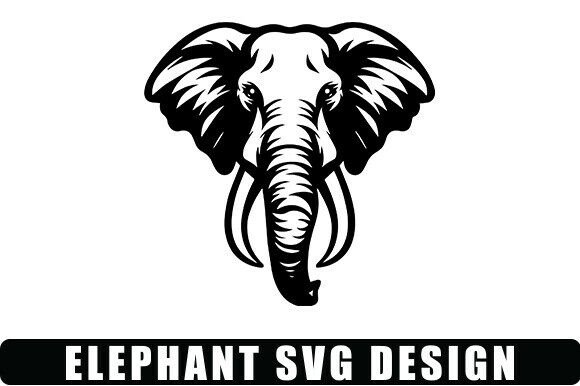
The immediate appeal of the Elephant SVG Design lies in its silhouette. It strikes a balance between whimsical charm and structural simplicity, which is crucial for embroidery. Unlike overly complex illustrations that rely on thousands of tiny stitches, this design utilizes clean lines and open spaces that suggest form without demanding excessive thread coverage. The mood is gentle and inviting, making it an instant fit for baby embroidery projects or soft home goods.
Visually, the layout feels intentional. The curves of the trunk and the ears are smooth, suggesting that if digitized correctly for a machine embroidery design, it should minimize jump stitches and thread breaks. For those of us creating printable mockups or design assets for clients, the scalability is key. Whether shrunk down for a pocket logo or enlarged for a tote bag center piece, the core identity of the elephant remains recognizable. This versatility is what separates a usable embroidery file from a decorative clipart that only works on paper.
Real-World Application: From Sweatshirts to Tote Bags
To truly test the Elephant SVG Design, I envisioned a specific scenario: a custom order for a local boutique needing a line of organic cotton tote bag designs and matching sweatshirt embroidery. The goal was to create a cohesive look that felt handmade but professional.
On a medium-weight cotton tote, the design performed beautifully. The open areas allowed the fabric texture to breathe, preventing the "cardboard effect" where dense stitching makes fabric stiff. When applied to a fleece sweatshirt, the design required a slight adjustment in underlay strategy, but the final result was plush and high-quality. It serves as an excellent personalized gift option because it doesn't overwhelm the garment. Customers often prefer subtle branding over massive, heavy logos, and this graphic delivers that understated elegance.
Beyond apparel, I considered its use in holiday embroidery or wedding favors. Imagine this elephant stitched onto linen napkins or a quilted pillow cover. The simplicity of the shape allows it to blend into various color palettes, from pastel nurseries to earthy, bohemian home decor. For an Etsy seller or small shop owner, this adaptability means one purchase can fuel multiple product lines, maximizing the return on investment for your craft business.
Navigating Fabric Textures and Hoop Constraints
While the Elephant SVG Design is robust, no design is universal without caution. When working with textured fabrics like waffle knit or thick terrycloth, the finer details of the trunk or tail might get lost if the stitch type isn't adjusted. In these cases, switching from a standard fill stitch to a slightly bolder satin stitch outline can define the edges better against the noisy background of the fabric.
Hoop size is another critical factor. If you are aiming for a small shop product like a baby onesie or a cap, you are likely working within a 4x4 or 5x7 hoop. The design scales well, but you must ensure that any internal details do not become so small that they cause bird nesting or thread bunching. For curved surfaces like caps, the placement needs to be centered carefully to avoid distortion. Always test on scrap fabric first. This is non-negotiable advice for any serious commercial embroidery work. What looks perfect on the screen might behave differently on stretchy knits or slippery silks.
Dark fabrics present their own challenge. If the design relies on light thread colors, ensure your stitch density is sufficient to cover the background without showing gaps. Conversely, on dark garments, a light-colored elephant pops vividly, but you may need to adjust the pull compensation to prevent the fabric from puckering around the dense areas.
Enhancing Brand Value and Customer Trust
In the competitive landscape of handmade goods, the quality of your custom apparel directly influences customer trust. A sloppy stitch job on a popular motif can damage a brand's reputation, whereas a crisp, clean execution of the Elephant SVG Design elevates the perceived value of the item. When a customer receives a product where the threads are neat, the backing is trimmed cleanly, and the design sits flat, they perceive the entire brand as professional.
This design supports brand consistency effectively. Because it is available in vector formats like SVG, EPS, and DXF, you can use the exact same shape for your website graphics, packaging labels, and physical embroidery. This unity creates a strong visual identity for your small shop product line. Furthermore, for those selling digital embroidery files, providing a design that others can successfully stitch builds your reputation as a reliable creator in the maker community.
Practical Notes for the Professional Maker
Before committing to a production run, here are my top recommendations for working with this asset:
- Check the License: Always verify the terms before selling finished items or digital products. Some licenses allow for unlimited physical sales but restrict the resale of the file itself.
- Stabilizer Selection: Match your stabilizer to your fabric. A cut-away stabilizer is often best for stretchy fabrics to prevent distortion over time, while tear-away works well for stable woven cottons.
- Thread Contrast: Experiment with thread colors. While traditional gray is obvious, try navy, sage green, or even metallic threads for a unique twist on the classic elephant theme.
- Digitizing Review: Since the package includes SVG, PNG, EPS, and DXF, remember that these are vector/cut files. If you are using an embroidery machine, ensure you have the appropriate embroidery file format (like PES or DST) or that your software can accurately convert these vectors into stitch data without losing detail.
- Mockup Testing: Create black and white mockups to check contrast and readability before buying thread.
Ultimately, the Elephant SVG Design is a versatile tool in the crafts and graphics arsenal. It offers a solid foundation for creating meaningful, high-quality goods that resonate with customers. By approaching it with a designer's eye and a technician's precision, you can transform a simple digital file into a cherished handmade product that stands out in the marketplace.