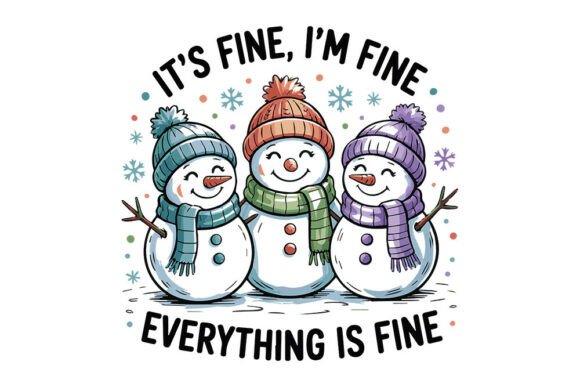
Cute Snowman Winter SVG: A Designer's Review
As a designer who spends more time staring at stitch previews than most people care to admit, I approach every new digital embroidery file with a mix of excitement and skepticism. We have all downloaded a "cute" graphic only to find it turns into a bird's nest of thread once the machine starts running. That is why I took a close look at the Cute Snowman Winter SVG Design before committing it to any client work or personal handmade product. This isn't just about whether the image looks good on a screen; it is about how that image translates into physical reality on fabric.
My first impression of this design was its charming simplicity. In the world of Crafts and Graphics, there is often a temptation to over-complicate winter themes with excessive snowflakes and intricate borders. This design avoids that trap. It presents a clean, friendly snowman figure that feels immediately recognizable and warm. The layout suggests a strong visual personality suitable for the holiday season without screaming for attention. For an Etsy seller or a boutique owner, this balance is crucial. You want a design that sells itself but doesn't overwhelm the garment it lives on.
Putting the Design to the Test: Real-World Application
To truly evaluate this embroidery project, I imagined a specific scenario: a custom order for a local coffee shop looking for limited-edition holiday tote bags. They wanted something festive but not so specific that the bags would be useless in January. The Cute Snowman Winter SVG Design fit this brief perfectly. When visualizing this as a tote bag design, the shape holds up well. It has enough presence to be seen from a distance but remains compact enough to sit centrally on a standard canvas bag without requiring a massive hoop.
I also considered how this would perform as sweatshirt embroidery. Winter apparel often involves thicker fabrics like fleece or heavy cotton blends. A design with too much density can cause puckering or make the fabric stiff and uncomfortable against the skin. Based on the vector lines visible in the SVG and EPS files included in the zip, the design appears to have open spaces that would allow for breathable stitching. If you are digitizing this yourself or using an auto-digitizer, paying attention to the stitch density will be key. You want the snowman to pop, not create a cardboard-like patch on a cozy hoodie.
For those creating baby embroidery items, such as onesies or nursery wall hangings, the softness of the lines is a major plus. Babies have sensitive skin, so avoiding dense fill stitch areas in favor of lighter textures or even applique design techniques could elevate this project. The provided DXF and SVG files make it easy to manipulate the shapes if you decide to cut fabric pieces for an applique version, adding texture and dimension to the finished product.
Navigating Fabric Challenges and Hoop Limitations
While the design is versatile, practical judgment dictates where we should proceed with caution. If you are planning to stitch this onto a curved surface like a cap, the width of the snowman might be pushing the limits of a standard cap frame. You would need to measure your specific hoop size carefully. Furthermore, caps often require simplified designs because the curvature distorts complex details. While this snowman is relatively simple, any tiny facial features or accessories might get lost or distorted on a structured hat.
Textured fabrics present another consideration. If you are stitching on a waffle knit or a rough linen tea towel, the clarity of the outline becomes critical. A running stitch border might get swallowed by the fabric texture. In these cases, I recommend testing a slightly thicker satin column or ensuring your stabilizer choice is robust enough to keep the fabric flat during stitching. Speaking of stabilizer, never skip the hooping test. Because this design likely relies on clean shapes, any shifting of the fabric will be immediately obvious in the final result.
Dark fabrics are a classic winter staple, but they demand high contrast. If you are using black or navy thread on a dark background, the definition of the snowman will vanish. This design shines brightest when paired with traditional winter thread colors like bright white, icy blue, or cheerful orange for the carrot nose. Always run a black-and-white mockup before you thread the machine. If the design loses its form in grayscale, it will definitely struggle on low-contrast fabrics.
Commercial Viability and Brand Consistency
For commercial embroidery professionals and small shop product creators, consistency is everything. Your customers buy from you because they trust your quality. Using a well-structured file like this machine embroidery design helps maintain that trust. The inclusion of multiple formats—SVG, PNG, EPS, and DXF—means you are covered whether you are cutting vinyl for heat transfer, printing a printable mockup for your online store, or sending the file directly to your embroidery machine.
This versatility extends to design assets for digital sellers. If you are creating bundles for other crafters, having a design that works across different mediums increases its value. However, always double-check the licensing terms provided with the download. Just because a file is ready to use does not automatically grant unlimited commercial rights for resale as a digital file versus a physical personalized gift. Clarity here protects your craft business from legal headaches down the road.
The visual appeal of this snowman contributes directly to buyer engagement. In a crowded marketplace, clean and professional-looking graphics stand out. A sloppy stitch-out reflects poorly on your brand, but a crisp, well-executed snowman can become a signature item for your holiday collection. Whether it ends up on an apron, a pillow cover, or a custom apparel piece, the quality of the source file dictates the ceiling of your final output.
Final Verdict and Practical Tips
After reviewing the Cute Snowman Winter SVG Design through the lens of real-world production, I feel confident recommending it for a variety of seasonal projects. It strikes the right chord between festive fun and professional usability. However, success lies in the preparation. Here are my top recommendations for getting the best results:
- Test on scraps first: Never run a new design on a client's expensive garment without a trial run on similar fabric.
- Check your contrast: Ensure your thread choices provide enough separation from the background fabric.
- Review the density: If the design feels too heavy, consider reducing the fill density in your software to prevent puckering.
- Inspect small details: Zoom in on the digital file to ensure no lines are too close together, which could cause thread breaks.
- Verify the license: Confirm you are allowed to sell the physical items created with this design.
In conclusion, this design is a solid addition to any winter library. It offers the flexibility needed for both hobbyists making gifts for family and entrepreneurs building a holiday inventory. With the right fabric, proper stabilization, and a keen eye for detail, this snowman can bring a touch of warmth and professionalism to your embroidery file collection. It is a reminder that sometimes, the simplest designs are the ones that stitch out the best.