Cat and Moon Phases SVG: A Designer’s Review
As an embroidery designer who has spent countless hours digitizing patterns and troubleshooting stitch-outs, I approach every new machine embroidery design with a critical eye. It is not just about whether the image looks pretty on a screen; it is about how those lines translate into thread on fabric. Recently, I evaluated the Cat and Moon Phases SVG Design, a piece that sits at the intersection of celestial whimsy and modern minimalism. For those of us in the Crafts industry, particularly those selling Graphics or finished goods, understanding the practical application of such a file is crucial before committing to production.
First Impressions: Mood and Visual Personality
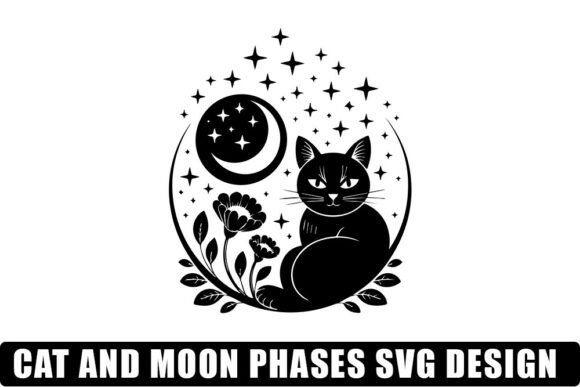
The first thing that strikes you about this design is its serene, mystical atmosphere. The silhouette of a cat, likely sitting or gazing upward, paired with the sequential phases of the moon, creates a narrative of quiet observation. From a layout perspective, the balance between the organic shape of the feline and the geometric precision of the moon circles is well-handled. This is not a chaotic design; it relies on negative space and clean lines.
For an embroidery project, this visual personality suggests versatility. It does not scream for attention with loud colors or complex shading. Instead, it offers a subtle elegance that appeals to customers looking for meaningful, understated decor. The theme naturally leans toward night-time motifs, spirituality, or simply a love for pets and astronomy. When I visualize this stitched out, I see it working best where simplicity is valued over intricacy, making it a strong candidate for modern home decor and personalized apparel.
Real-World Application: From Screen to Stitch
To truly test the viability of the Cat and Moon Phases SVG Design, I imagined a specific real-life scenario: creating a custom tote bag design for a local bookstore’s autumn collection. Tote bags are typically made from canvas or heavy cotton, which provides a stable base for embroidery. In this context, the design’s linear elements would need to hold their shape without puckering the fabric.
If I were stitching this as a sweatshirt embroidery piece, the outcome would differ slightly. The fleece or cotton blend of a sweatshirt requires careful attention to stabilizer choice to prevent the design from sinking into the nap of the fabric. The moon phases, if rendered as simple outlines using a running stitch or a light satin stitch, would sit nicely on the chest pocket area. However, if the cat silhouette is filled, a fill stitch pattern must be optimized to avoid excessive bulk. A bulky design on a sweatshirt can feel stiff and uncomfortable against the skin, which is a major detractor for customer satisfaction.
For baby embroidery projects, such as a nursery blanket or a onesie, the softness of the thread and the density of the stitch become paramount. Parents prefer items that are gentle to the touch. If this design is used on a baby item, I would recommend scaling it down and ensuring that the thread colors are soft pastels or muted earth tones rather than high-contrast blacks and whites, which can appear harsh on delicate fabrics.
Navigating Technical Challenges
While the aesthetic is appealing, there are technical areas where the Cat and Moon Phases SVG Design requires caution. One common pitfall in designs featuring multiple small elements, like the individual moon phases, is the risk of poor stitching clarity on textured fabrics. If the moons are too small, the needle perforations can merge, turning distinct circles into a blurred mess. This is especially true on towels or loosely woven linens.
Another consideration is the hoop size. If you are working with a small 4x4 inch hoop, you may need to split the design or reduce its scale significantly. Always check the dimensions of the digital file against your machine’s maximum hoop size. Furthermore, curved surfaces like caps present a unique challenge. Embroidering a horizontal layout like this on a cap requires precise hooping and possibly a different digitizing approach to account for the curvature. Without proper adjustment, the design could distort, making the moon phases look oval rather than circular.
Density is another factor. If the cat portion uses a dense fill stitch while the moons use a light running stitch, the tension difference can cause the fabric to pucker. I always advise testing the design on scrap fabric of the same type and weight as your final product. This allows you to adjust tension and stabilizer before ruining a costly garment.
Commercial Value and Brand Consistency
For Etsy sellers and small shop product creators, the commercial potential of this design is significant. The "witchy" or "celestial" aesthetic remains a evergreen trend in handmade markets. Using this design in a commercial embroidery context can help build a cohesive brand identity if you consistently use similar thematic elements across your product line.
The finished product quality directly impacts buyer engagement. A clean, well-stitched design conveys professionalism and trust. Conversely, loose threads or misaligned phases can lead to negative reviews. Because this design relies on recognizable shapes, any deviation from the intended form is easily noticed by the customer. Therefore, precision in execution is non-negotiable.
When creating printable mockup images for your online store, ensure that the digital representation matches the physical reality. Misleading previews can lead to returns. Use high-quality photos of the actual stitched item on various backgrounds—light denim, dark canvas, white cotton—to show versatility. This helps customers visualize the personalized gift potential of the item.
Practical Notes for the Embroidery Designer
Before you load the Cat and Moon Phases SVG Design into your machine, consider these practical steps:
- Check File Formats: You will receive a zip file with SVG, PNG, EPS, and DXF formats. Ensure your embroidery software can convert or import these correctly. Some formats are better for cutting machines, while others are for embroidery digitizing software.
- Test Thread Contrast: Try stitching the design in monochrome first. If the details disappear in black thread on black fabric, you may need to adjust the stitch type or add a backing layer.
- Review Stitch Density: If the file includes digitized embroidery data, check the density map. If it is just a graphic file, you will need to digitize it yourself, paying close attention to underlay stitches to stabilize the fabric.
- Licensing Verification: Confirm the license terms. Can you sell the embroidered patch or custom apparel made with this design? Most designers allow commercial use for finished physical items but restrict the resale of the digital file itself.
- Fabric Selection: Avoid highly stretchy fabrics unless you use a cut-away stabilizer. Woven cottons and linens yield the crispest results for this type of line-art design.
Final Verdict
The Cat and Moon Phases SVG Design is a versatile asset for the modern maker. It bridges the gap between trendy aesthetics and timeless symbolism. While it requires thoughtful execution regarding stitch density and fabric choice, its potential for creating high-value handmade products is substantial. Whether you are creating holiday embroidery gifts or stocking your boutique with design assets for custom orders, this design holds up well under professional scrutiny. Just remember: the magic lies not just in the file, but in the care taken during the stitching process.